How Verification Protocols Shape Session Continuity in Licensed Digital Gaming Platforms
Written by Rosa Klein · Jul 21, 2026
How Verification Protocols Shape Session Continuity in Licensed Digital Gaming Platforms
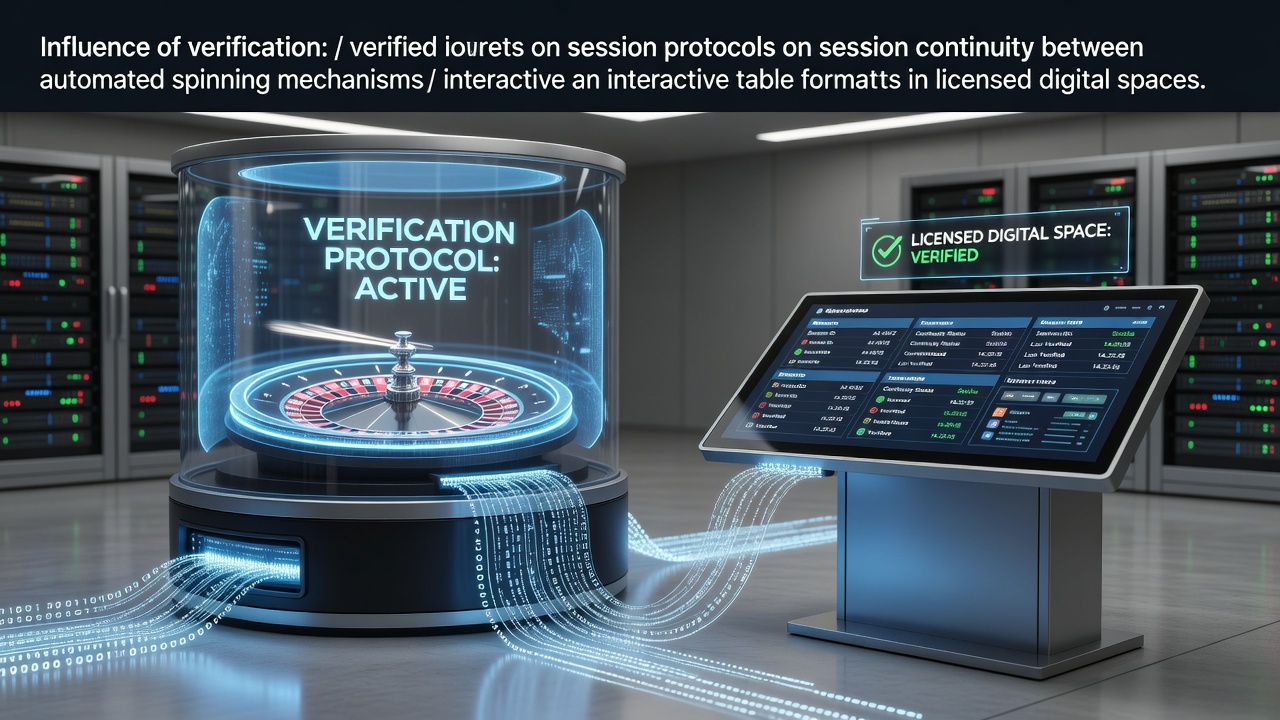
Verification protocols in licensed digital spaces require players to complete identity confirmation steps before accessing automated spinning mechanisms such as slots or transitioning to interactive table formats like blackjack and roulette. These protocols typically involve document uploads, biometric checks, and database cross-references that run through regulated operators' systems. Data from government agencies shows that such processes maintain account integrity while creating checkpoints that can interrupt or extend session lengths depending on how platforms integrate them.
Regulatory Requirements Across Jurisdictions
Licensed operators must adhere to standards set by bodies like the Nevada Gaming Control Board which mandates real-time verification for all account activities including switches between game types. Similar rules appear in frameworks from the Alcohol and Gaming Commission of Ontario where session data must remain linked to verified profiles throughout gameplay. Research indicates that these requirements aim to prevent unauthorized access yet they influence how automated features like auto-spin maintain continuity when players move toward live dealer tables that demand additional authentication layers.
Operators often implement token-based systems that preserve session states after initial verification completes. According to industry reports from the European Gaming and Betting Association such tokens allow balance information and game progress to carry over without repeated full checks. But repeated identity refreshes occur when platforms detect high-value transfers or extended play periods which can pause automated spinning sequences mid-cycle.
Technical Integration and Session Flow
Automated spinning mechanisms rely on continuous server connections that verification protocols monitor for compliance. When a player initiates a switch to interactive table formats the system may trigger secondary checks if the session token expires or if regulatory thresholds trigger. Figures from platform audits reveal that seamless transitions happen most often in environments where verification occurs once at login and subsequent game changes use cached credentials for up to thirty minutes.
Platforms deploy API connections that link slot servers with table game interfaces while verification services run in the background. This setup reduces downtime although network latency during peak hours can extend the time needed for protocol completion. Studies conducted by university researchers in Australia highlight that operators using single sign-on frameworks experience fewer session breaks compared to those requiring separate logins for each game category.

One case involved a major platform that updated its verification workflow in early 2026 and recorded improved continuity metrics after implementing progressive authentication. Players could complete auto-spin rounds and enter table sessions without re-entering credentials provided the initial verification passed within the same hour. Updates scheduled for July 2026 are expected to introduce machine learning models that predict when additional checks might disrupt flow and adjust token validity accordingly.
Data on Session Duration and Verification Impact
Analytics collected across multiple licensed platforms demonstrate that verification events account for an average of twelve percent of total session time in mixed game environments. Shorter verification windows correlate with higher rates of players completing both spinning sequences and table rounds in single logins. Government statistics from Canadian regulators note that platforms with streamlined protocols report session lengths extending by twenty-two minutes on average when players alternate between automated and interactive formats.
Security logs show that failed verification attempts often reset progress in automated features forcing restarts upon re-entry. Operators counter this through fallback mechanisms such as queued spin results that resume after successful identity confirmation. Observers note that these technical adjustments help maintain continuity although they depend on the underlying regulatory tolerance for cached data.
Future Adjustments in Verification Systems
Developments planned for mid-2026 include expanded use of decentralized identity solutions that allow verified profiles to transfer across operators without full re-verification. Such systems could further reduce interruptions between spinning mechanisms and table formats in licensed spaces. Industry associations continue to evaluate these approaches against existing compliance standards to balance security with operational flow.
Platform testing in controlled environments indicates that adaptive verification reduces average transition times by up to forty seconds per switch. These measurements come from aggregated logs that track player movement across game types while preserving all regulatory audit trails.
Conclusion
Verification protocols establish the foundation for secure access in licensed digital spaces and directly affect how sessions persist across automated spinning and interactive table formats. Technical implementations vary by jurisdiction yet consistent patterns emerge around token management and background checks. Data from multiple regulatory sources confirms that optimized systems support longer continuous play while meeting compliance obligations. Adjustments expected in July 2026 aim to refine these processes further through predictive tools and improved integration standards.